Find Tours
Antelope Canyon

About Antelope Canyon

Antelope Canyon cuts through the Navajo Nation in northern Arizona, exposing 120-foot walls of eroded sandstone. Flash floods carved these narrow corridors over millions of years, creating a complex underground labyrinth.

Age of Sandstone 8-60 million years
📏 Maximum Depth 120 feet (37 m)
🚶 Upper Canyon Length 660 feet (200 m)
🧗 Lower Canyon Length 1,335 feet (407 m)
⛰️ Floor Elevation 3,704 feet (1,129 m)
📍 Location Navajo Nation, Arizona
🛡️ Official Status Navajo Tribal Park
💵 Permit Fee $15 per person

Overview

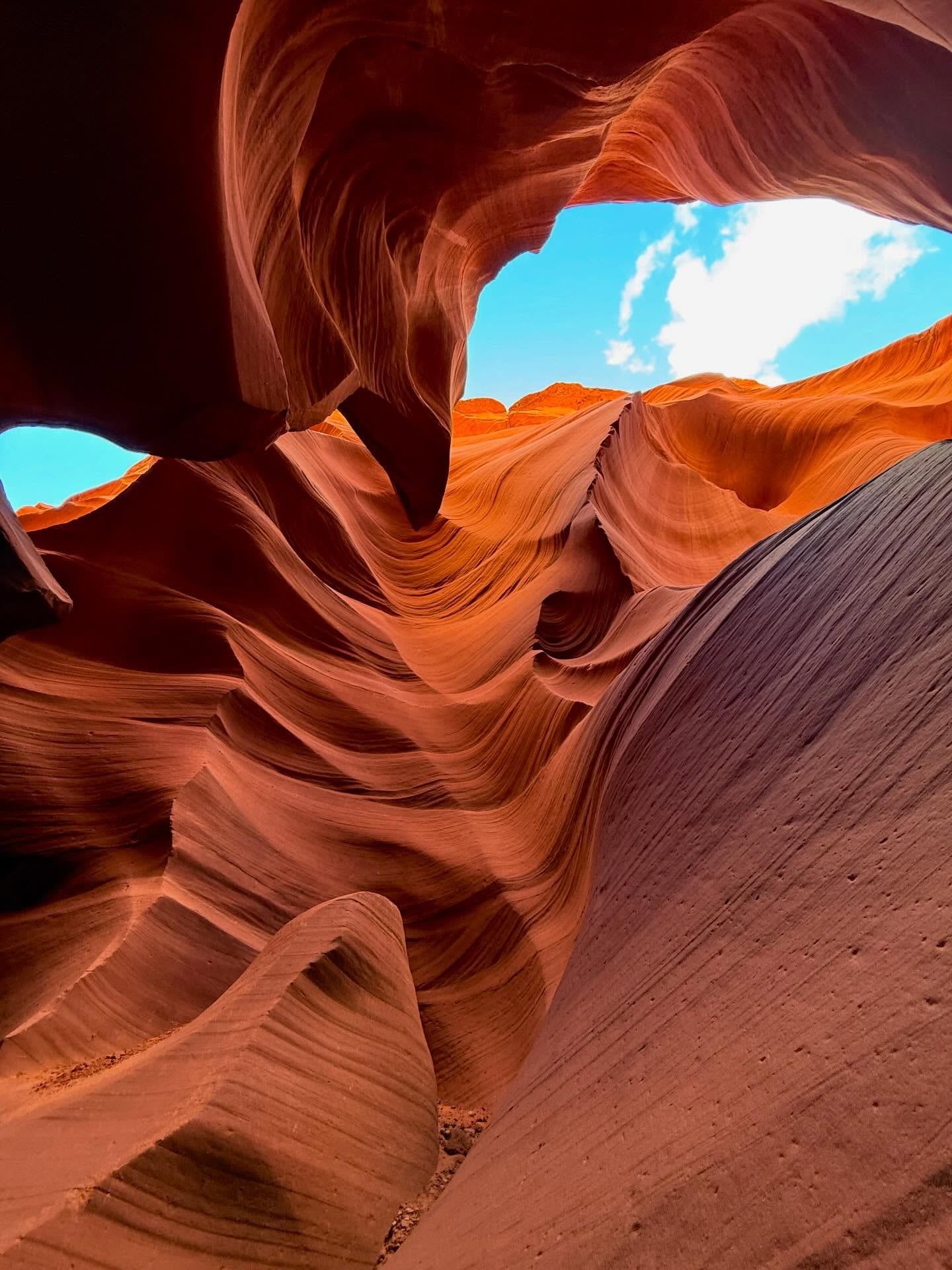
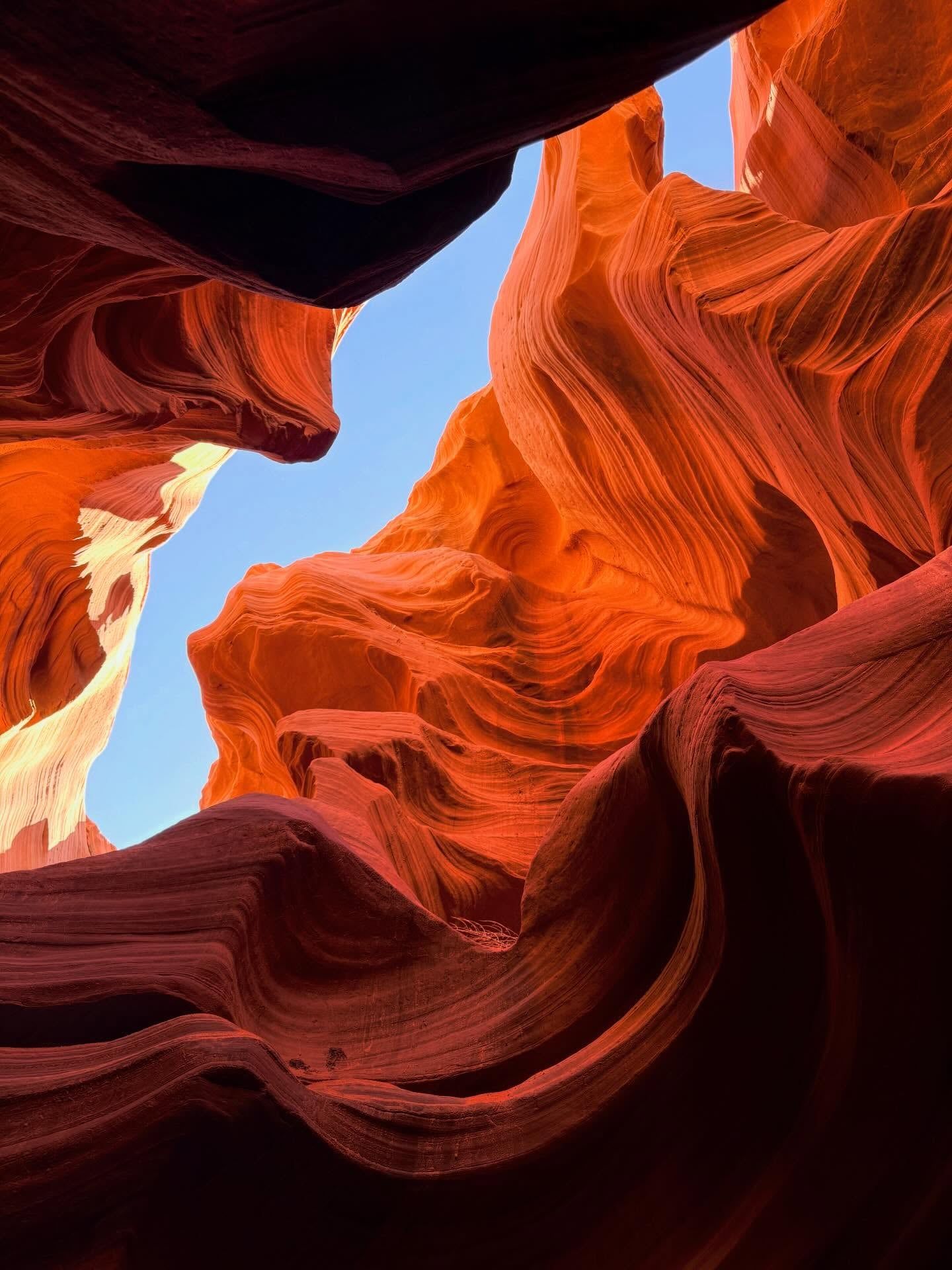
Flash floods carve Antelope Canyon through the high desert of northern Arizona. Millions of gallons of rainwater rush into the basin above Page, picking up abrasive sand before slamming into the Navajo Sandstone. This violent process leaves behind smooth, wave-like corridors that drop 120 feet below the surface. The canyon splits into distinct sections. Upper Antelope Canyon, known as The Crack, sits at ground level. Sunlight pierces its narrow ceiling between April and October, throwing sharp beams of light onto the sandy floor. Lower Antelope Canyon, or The Corkscrew, plunges underground in a tight V-shape. Exploring it requires descending five flights of steep metal stairs into a subterranean maze.

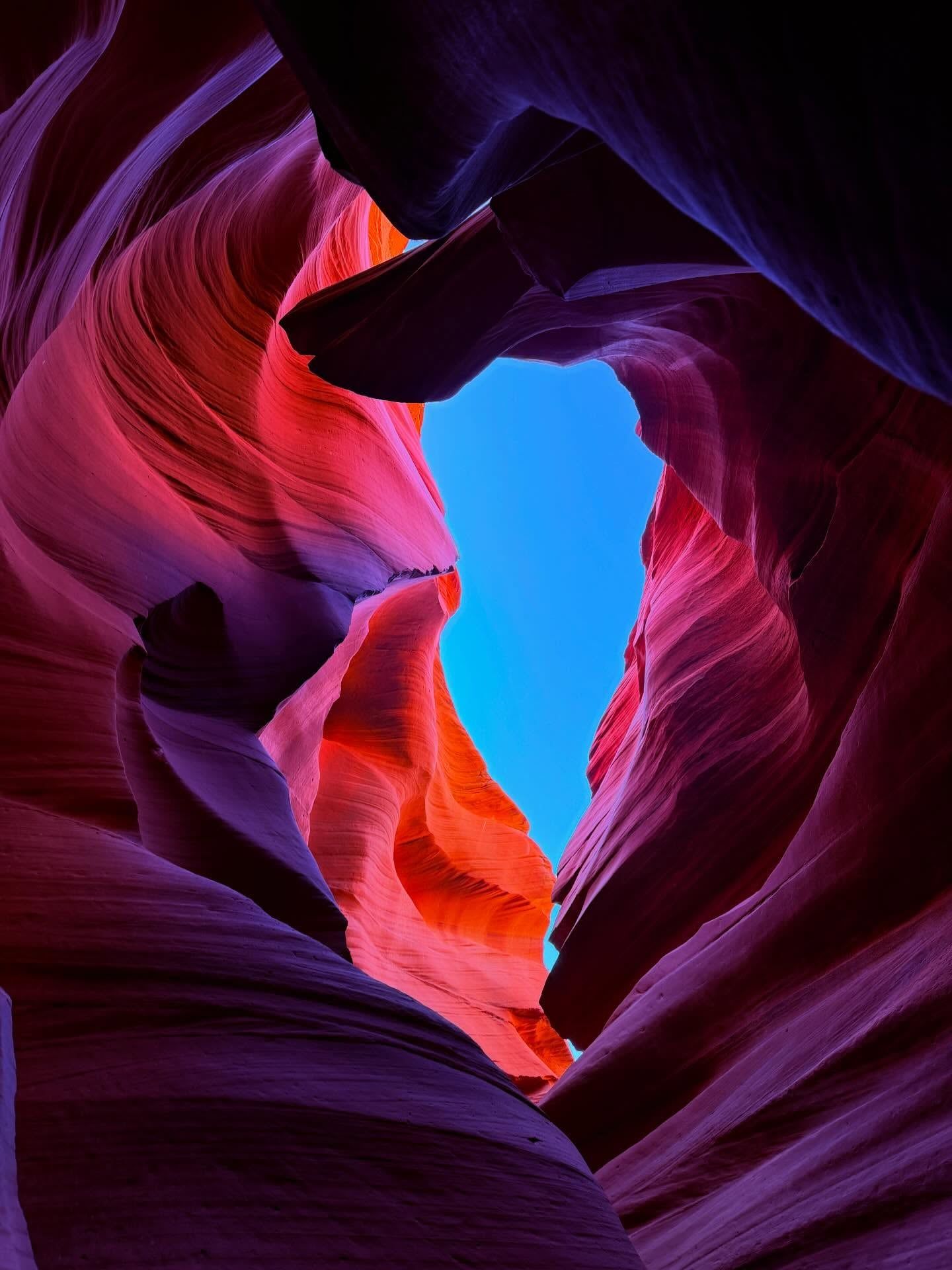
Visitors walk through a dry streambed at an elevation of 3,704 feet. Fine red dust coats the walls and falls from the ceiling during high winds. The temperature drops noticeably the deeper you go into the rock. Light bounces off the curved walls, shifting the sandstone from deep violet in the shadows to bright orange where the sun hits. Page, Arizona acts as the staging ground for all canyon excursions. The city sits five hours by car from both Las Vegas and Phoenix. You drive past the massive concrete arch of Glen Canyon Dam and the deep blue waters of Lake Powell before reaching the dusty parking lots of the tour operators. Highway 98 cuts directly through the desert, separating the Upper and Lower canyon entrances by just a few miles. The landscape above ground gives no hint of the massive fissures hiding below the scrub brush.

Access requires planning and adherence to strict rules. The Navajo Nation designated the area a protected Tribal Park in 1997. Independent entry is illegal. Authorized Navajo guides lead every group, enforcing a ban on bags, tripods, and independent hiking. Summer monsoon season brings severe risks. Storms miles away can flood the slot canyons with little warning. Operators cancel tours immediately when radar shows rain over the drainage basin. Beyond the famous Upper and Lower sections, the wash extends into quieter territories. Canyon X features soaring walls and a distinct geological formation known as the Lady in Red. Secret Antelope Canyon combines the tall, sculpted walls of the Upper section with the narrow, winding slots of the Lower. Both alternatives limit group sizes, keeping the narrow passages clear of the heavy foot traffic found near the main highway. Bring a clear water bottle with a strap, as the desert heat outside the canyon routinely exceeds 100 degrees Fahrenheit in July.

Antelope Canyon view

History & Origins

Water began cutting through the Navajo Sandstone between 8 and 60 million years ago. The Colorado Plateau uplifted, increasing the gradient of local streams. Rainwater gathered in the extensive basin above the canyon, funneling into narrow cracks in the rock. Each monsoon season, debris-filled floodwaters acted like liquid sandpaper, deepening the corridors inch by inch. The geological timeline dwarfs human history. The Navajo Sandstone itself formed from massive wind-blown sand dunes during the Jurassic period, roughly 190 million years ago. These dunes eventually petrified into solid rock under immense pressure. Millions of years later, the Colorado River and its tributaries began slicing through the plateau. The specific slot canyons of Antelope Wash are much younger, carved entirely by seasonal monsoon rains over the last few million years. The water acts as a chisel, exploiting microscopic weak points in the stone.

Early Human Presence

Navajo elders trace their connection to the canyon back centuries. During the late 1800s, Diné people seeking refuge from the United States military's forced relocation hid within these deep, winding slots. The natural camouflage of the narrow openings provided shelter from cavalry patrols. Herds of pronghorn antelope grazed the surrounding plateau during winter months, giving the canyon its English name. A widely accepted local account credits the specific discovery of the modern entrances to a young Navajo girl herding sheep in the 1930s. She noticed the deep cracks in the earth while searching for lost livestock during the Great Depression.

The Rise of Tourism

Commercial interest remained nonexistent until the late 20th century. In the 1970s, a local Navajo cattle owner recognized the visual appeal of the smooth, striated walls. He guided a small group of photographers into the dark chambers. Their images eventually reached the pages of National Geographic, sparking global interest. Photographers flocked to the high desert to capture the midday light beams striking the dusty floor of Upper Antelope.

Tribal Park Designation and Safety Changes

Unregulated access ended in 1997. The Navajo Nation established the area as a protected Tribal Park to manage the influx of visitors and protect the fragile sandstone from vandalism. Mandatory guided tours became law. Tragedy forced further operational shifts shortly after. In August 1997, a sudden flash flood swept through Lower Antelope Canyon, killing 11 hikers. The water originated from a thunderstorm miles away, catching the unguided tourists completely off guard. This event prompted the installation of emergency sirens, rope nets, and bolted metal ladders throughout the lower sections. Today, tour operators monitor advanced weather radar and shut down all access at the first sign of rain in the drainage basin. Book your tour for the dry season in late spring or early fall to minimize cancellation risks.
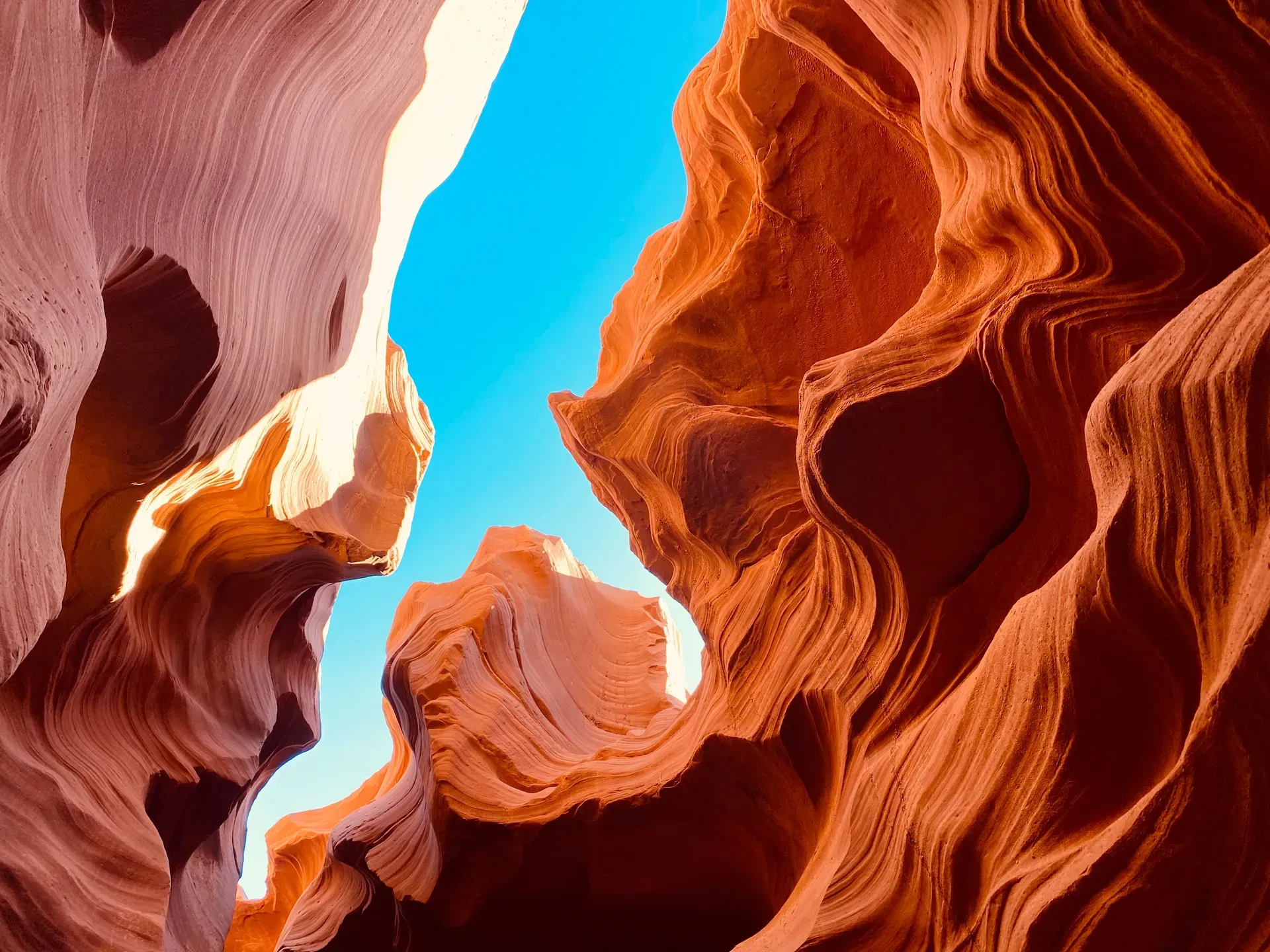
Antelope Canyon view
~190,000,000 BC Massive wind-blown sand dunes petrify under immense pressure to form the Navajo Sandstone layer.
Late 1800s Navajo holdouts use the deep slot canyons to hide from US military forces during the Long Walk.
1930s A young Navajo girl herding sheep rediscovers the main canyon entrances during the Great Depression.
1970s The first commercial photographers enter the canyon, later publishing images that spark global tourism.
1997 The Navajo Nation designates the canyon a protected Tribal Park, making guided tours mandatory for all visitors.

Geology & Natural Features

Solid rock separates the canyon floor from the desert surface by 120 feet. The walls consist entirely of Navajo Sandstone, a porous rock formed from ancient sand dunes. Flash floods act as the primary architect. Water hits the basin above Page, gathers momentum, and funnels into the tight cracks of the plateau. The resulting torrent carries rocks, mud, and heavy wood debris. This abrasive mixture scours the walls, leaving behind smooth, undulating patterns that resemble petrified waves.

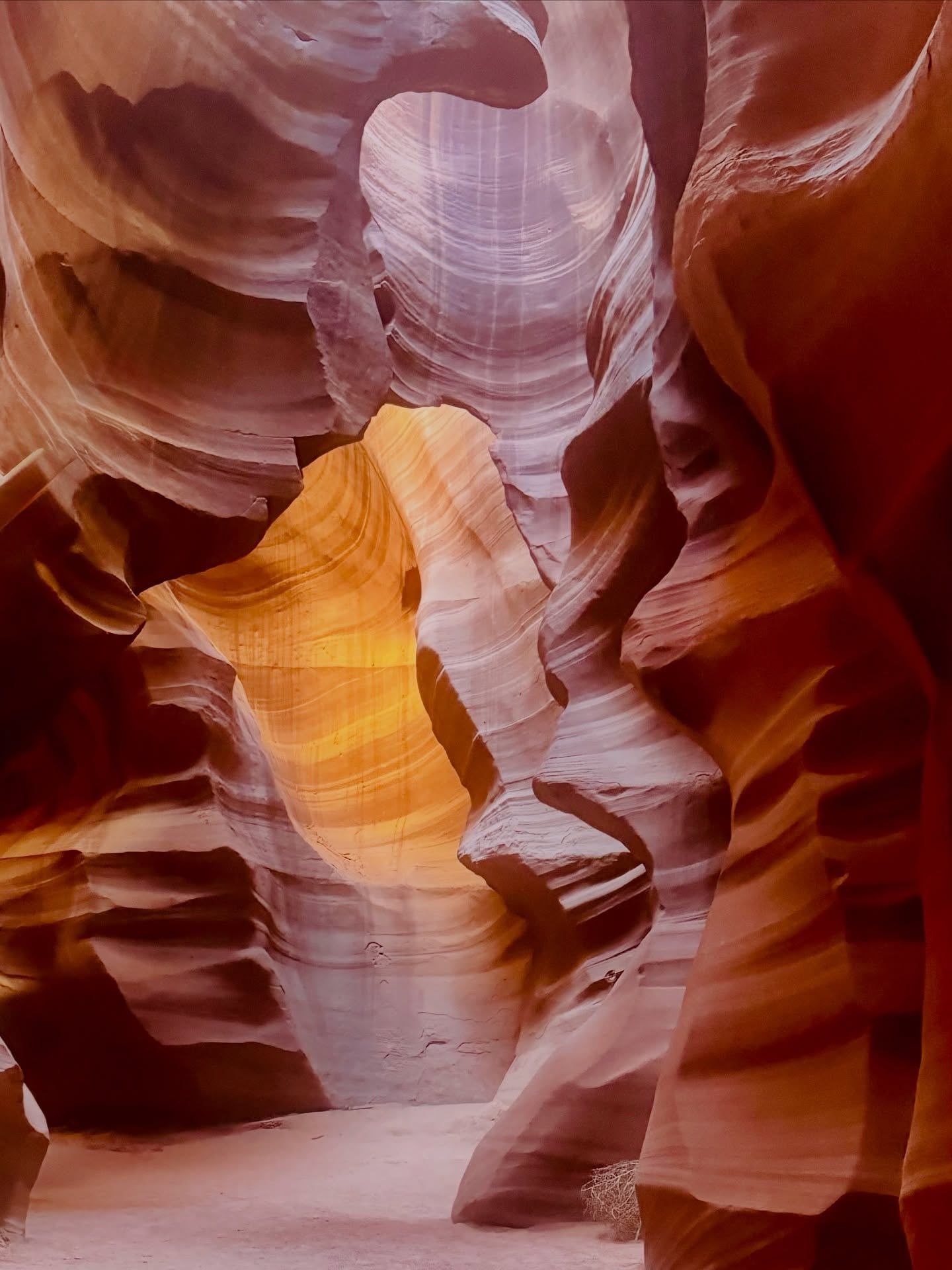
Upper Antelope Canyon forms an A-shape. The base measures up to 10 feet wide, while the ceiling narrows to just a few inches in some spots. This geometry creates the famous light beams. Between April and October, the midday sun aligns perfectly with the narrow upper opening. Shafts of light pierce the darkness, illuminating the airborne dust kicked up by visitors. The floor here is entirely flat, sitting at an elevation of roughly 4,000 feet. You walk on soft, dry sand for the entire 660-foot length of the passage. The exit route for Upper Antelope changed entirely following the pandemic. Visitors used to walk back through the canyon to return to their transport trucks. Now, the path forces a one-way traffic flow. You exit the rear of the canyon and must climb a 200-foot elevation change over a sandy, 20-degree incline. Metal stairs assist with the final ascent over the rock dome. This physical requirement eliminates wheelchair access completely.

Lower Antelope Canyon reverses this structure. It forms a V-shape, wide at the top and extremely narrow at the bottom. The 1,335-foot trek requires physical maneuvering. Visitors descend 50 feet below ground level via five flights of steep metal stairs. The path forces you to squeeze through gaps barely wide enough for a human torso. You must climb short ladders and navigate uneven, rocky ledges. The walls here lack the direct light beams of the Upper Canyon but compensate with complex, twisting geometry that reflects ambient light in shades of magenta, gold, and rust. The physical environment changes constantly. A single severe monsoon storm can alter the floor level by several feet, washing away old sand deposits and dropping new boulders into the passageways. Wind plays a secondary role, smoothing the sharp edges left by the water. Fine sand constantly blows down from the surface. Wear a hat or a bandana over your face, and avoid changing camera lenses inside the chambers to protect your equipment from the abrasive dust.

Antelope Canyon view

Cultural Significance

The Diné (Navajo) people view Antelope Canyon as a sacred monument. It is not just a geological formation, but a living entity and a physical manifestation of Mother Earth. Entering the canyon requires a specific mindset. Traditional Navajo teachings dictate that visitors should pause before crossing the threshold, offering respect to the natural forces that shaped the stone. The Navajo language names reflect the distinct physical realities of the two main sections. Upper Antelope is called "Tsé bighánílíní," which translates directly to "the place where water runs through rocks." Lower Antelope is known as "Hazdistazí," meaning "spiral rock arches." These names emphasize the active, ongoing relationship between water and stone rather than static geography.

Authorized Navajo guides do more than navigate the physical terrain. They act as cultural interpreters. As you walk through the narrow corridors, guides share Diné creation stories and explain the balance between Mother Earth and Father Sky. They point out natural rock formations that resemble eagles, bears, and human faces, connecting the physical erosion to traditional mythology. The canyon acts as a natural cathedral for the local community. Every four years, Navajo medicine men perform a blessing ceremony at the site. This ritual gives thanks to the natural elements and seeks protection for the thousands of people who walk through the narrow slots. The surrounding Navajo Nation spans 27,000 square miles across three states. Antelope Canyon represents just one small fraction of this vast territory, yet it acts as the most visible intersection between traditional Diné culture and global tourism.

The tribe manages the land under strict Leave No Trace principles. Visitors cannot bring food, leave trash, or take even a single handful of sand from the canyon floor. The rock walls are highly fragile. The natural oils from human hands degrade the sandstone over time, dulling the colors and wearing down the sharp, sculpted edges. Guides actively police their groups, stopping anyone who leans against the walls or attempts to carve their initials into the stone. The $15 Navajo Parks permit fee directly funds these preservation efforts. The money pays for the maintenance of the emergency ladders, the installation of safety nets, and the salaries of the tribal park rangers who patrol the wash. Listen closely to your guide's instructions regarding where to step and what to touch, as marking the sandstone violates both tribal law and religious custom.

Antelope Canyon view

Interesting Facts

🚫

No Tripods Allowed

Standard tours ban tripods, monopods, and selfie sticks to keep the tight corridors moving safely.

🐕

No Pets Permitted

Service animals and pets are strictly prohibited to protect the delicate ecosystem and respect guests with allergies.

☀️

Seasonal Light Beams

The famous shafts of light in Upper Antelope only appear from April to October when the sun is highest.

🎒

Bags Are Banned

Most tour operators prohibit backpacks and large purses to prevent them from scraping against the narrow sandstone walls.

🧗

Steep Descents

Entering Lower Antelope Canyon requires climbing down five flights of steep, bolted metal stairs.

🌧️

Instant Cancellations

Tours shut down immediately if rain falls anywhere in the surrounding basin, even if the sky above the canyon is clear.

🕒

Time Zone Quirks

The Navajo Nation observes Daylight Saving Time, while the rest of Arizona does not, causing local time confusion for visitors.

Frequently Asked Questions

Can I visit Antelope Canyon without a tour guide?

No, independent exploration is strictly illegal. The canyon sits on protected Navajo Nation land, and you must book a guided tour with an authorized Navajo operator.

What is the difference between Upper and Lower Antelope Canyon?

Upper Antelope is an A-shaped, above-ground canyon with a flat sandy floor, known for its midday light beams. Lower Antelope is a V-shaped, below-ground canyon that requires climbing down steep metal stairs and squeezing through tight spaces.

How much does it cost to enter the canyon?

You must pay a $15 Navajo Parks & Recreation permit fee per person, per day. This is in addition to the guided tour fee, which ranges from $80 to over $150 depending on the canyon and time of day.

Are wheelchairs or strollers allowed inside?

No. The deep sand, narrow passageways, and steep stairs make both canyons completely inaccessible to wheelchairs and strollers. Upper Antelope also requires climbing a 200-foot elevation change on the exit route.

When is the best time to see the light beams?

The light beams in Upper Antelope Canyon are visible between April and October. You must book a midday tour, typically between 11:00 AM and 1:00 PM, on a sunny day to see them.

What happens if there is a threat of flash floods?

Tour operators monitor weather radar constantly and will cancel tours immediately if there is a risk of rain in the drainage basin. Sirens and emergency ladders are installed inside the canyon for immediate evacuation.

Can I bring a backpack on the tour?

No, backpacks, purses, and large bags are banned to prevent damage to the delicate sandstone walls. You can bring a clear water bottle, preferably one with a carrying strap.

How long does a standard tour take?

A guided tour of a single canyon section takes 60 to 90 minutes. If you plan to visit both the Upper and Lower sections in one day, allocate four to five hours.

Is Lower Antelope Canyon safe for elderly visitors or young children?

Lower Antelope requires navigating steep ladders, uneven rocks, and narrow gaps. It is highly discouraged for visitors with mobility issues, though infants are permitted if parents exercise extreme caution.

What should I wear to visit the canyon?

Wear sturdy, closed-toe shoes to navigate the loose sand and metal ladders safely. Bring layered clothing, as the temperature inside the shaded canyon is significantly cooler than the desert surface.

Ready to visit Antelope Canyon?

Browse verified tours with free cancellation and instant confirmation.

Find Tours