Explore the winding sandstone passageways of Upper and Lower Antelope Canyon with an experienced Navajo guide. Choose from simple admission tickets or full-day excursions departing from Las Vegas and Sedona.
Free Cancellation Explore Lower Antelope Canyon and Horseshoe Bend on a guided day trip from Las Vegas with lunch and fees included.
Free Cancellation Explore Lower Antelope Canyon on a guided walk led by Navajo guides who share local history and photography tips.
Explore the winding sandstone walls of Lower Antelope Canyon on a guided walk led by local Navajo experts.
Free Cancellation Explore Antelope Canyon and Horseshoe Bend with a Navajo guide, plus free admission to Madame Tussauds Las Vegas.
Free Cancellation Explore the light-filled corridors of Upper Antelope Canyon on an 80-minute guided walk through its shifting colors.
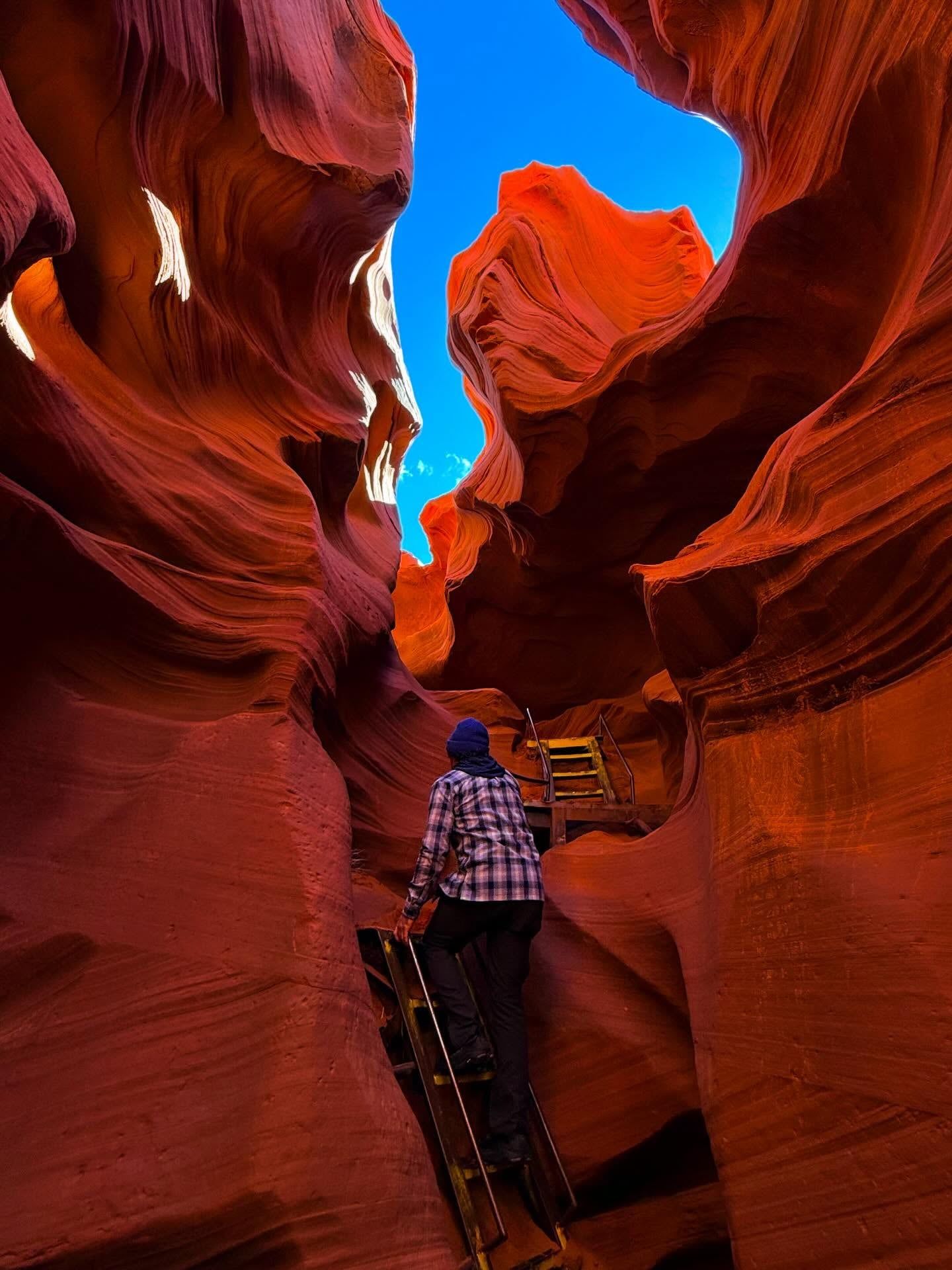
Free Cancellation Navigate the deep, light-filled sandstone corridors and narrow ladders of Lower Antelope Canyon.
Free Cancellation See the Grand Canyon, Antelope Canyon, and Horseshoe Bend on a full-day guided loop starting from Las Vegas.
Likely to Sell Out Explore the shallow sandstone corridors of Lower Antelope Canyon on Navajo land during the morning's peak light.
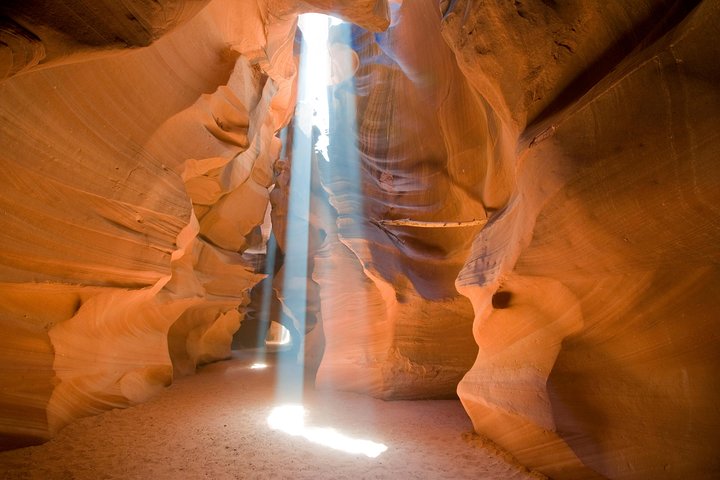
Likely to Sell Out Walk through the winding sandstone corridors of Upper Antelope Canyon and witness its famous shafts of sunlight.
Walk through the 120-foot deep sandstone corridors of Upper Antelope Canyon on this guided, photography-friendly tour.
Read what travelers share about their experience visiting Antelope Canyon — from practical tips to personal highlights.
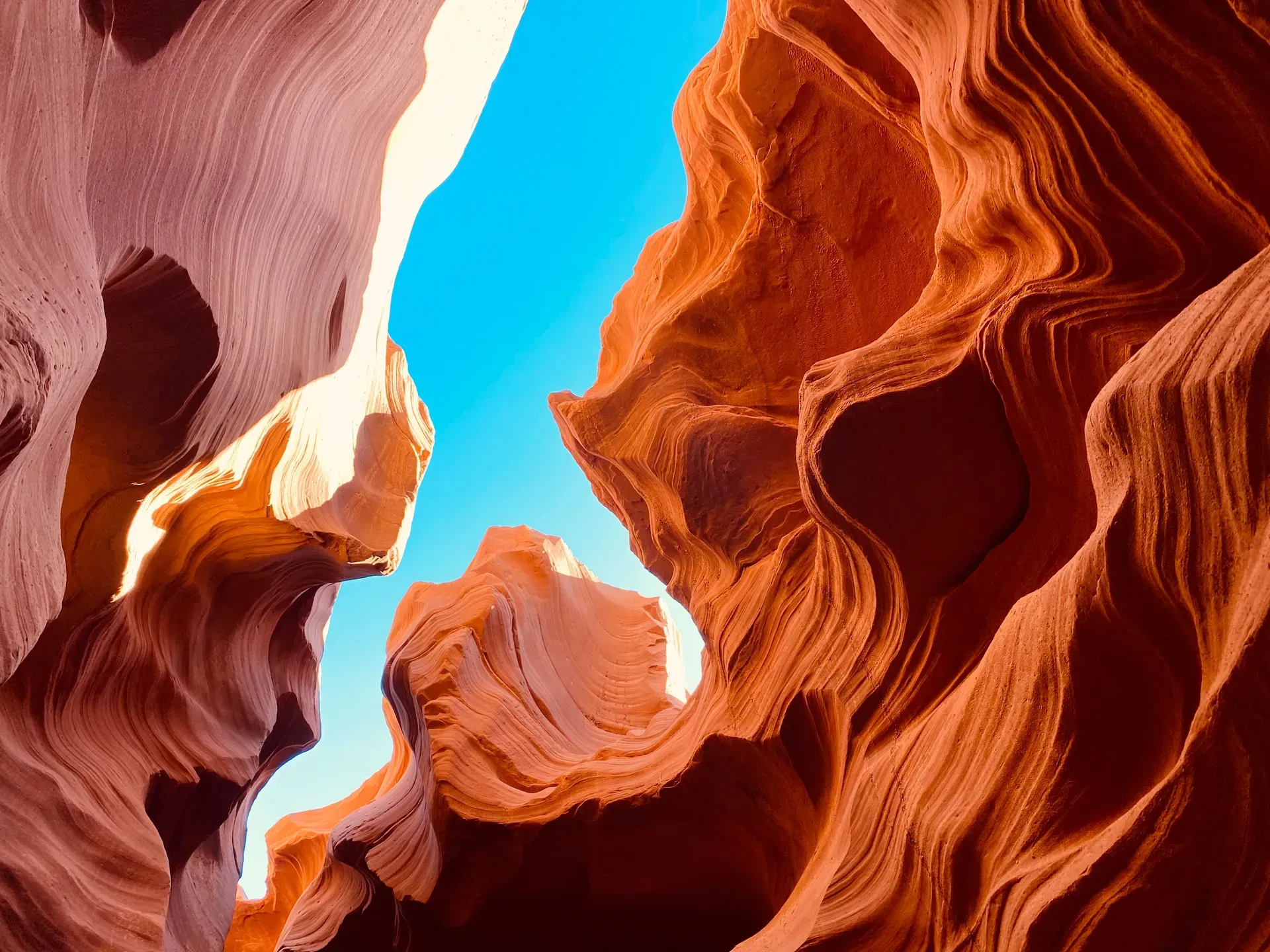
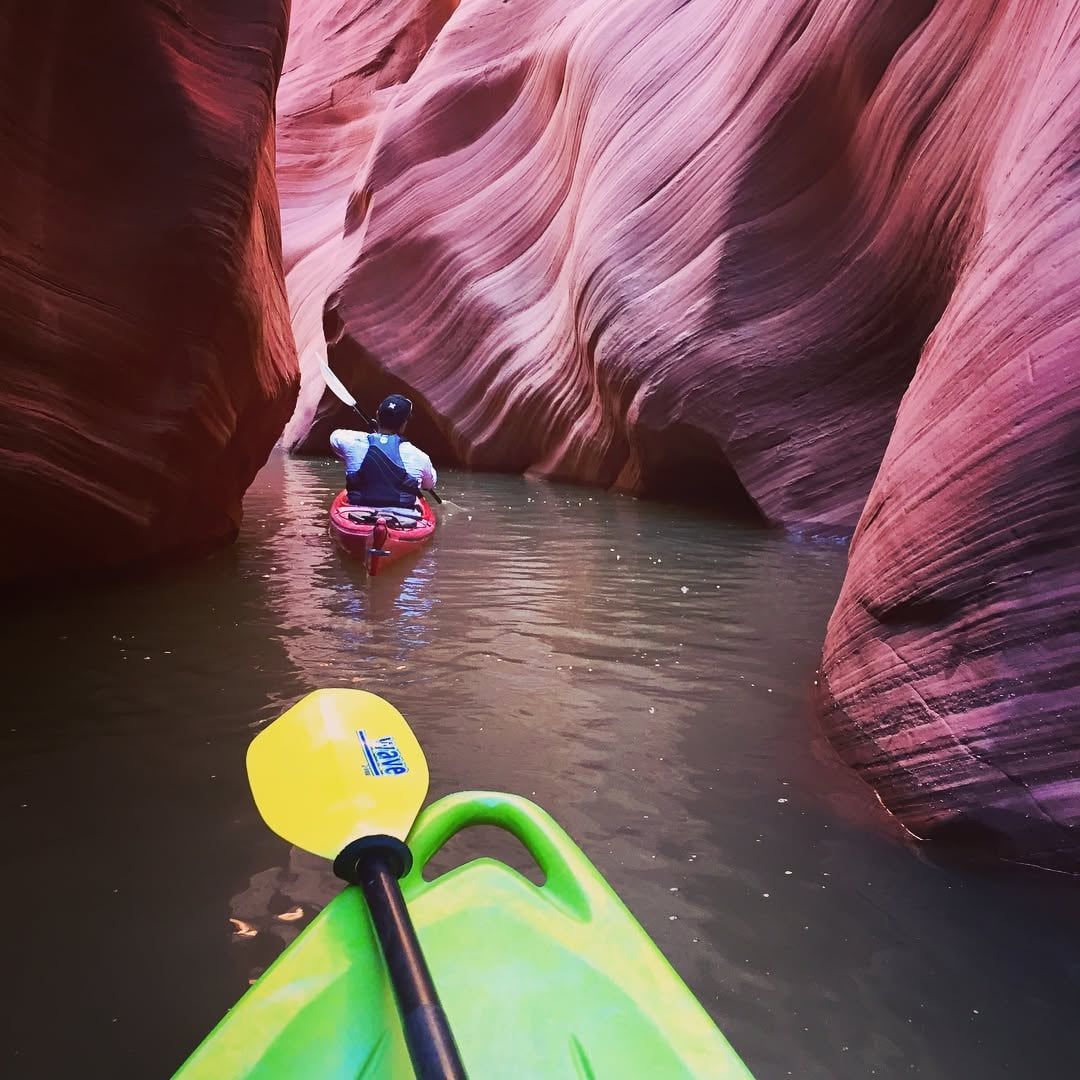
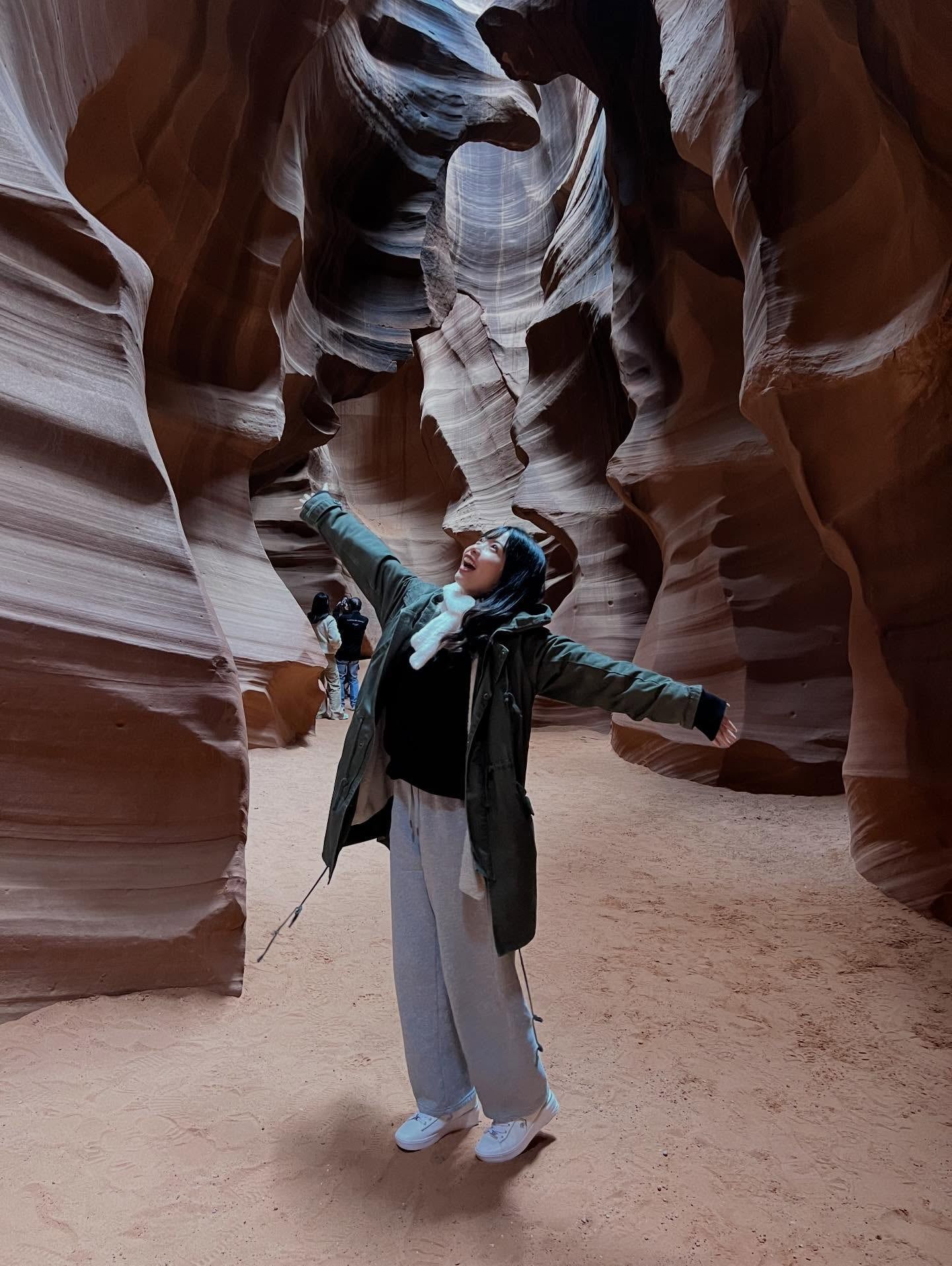
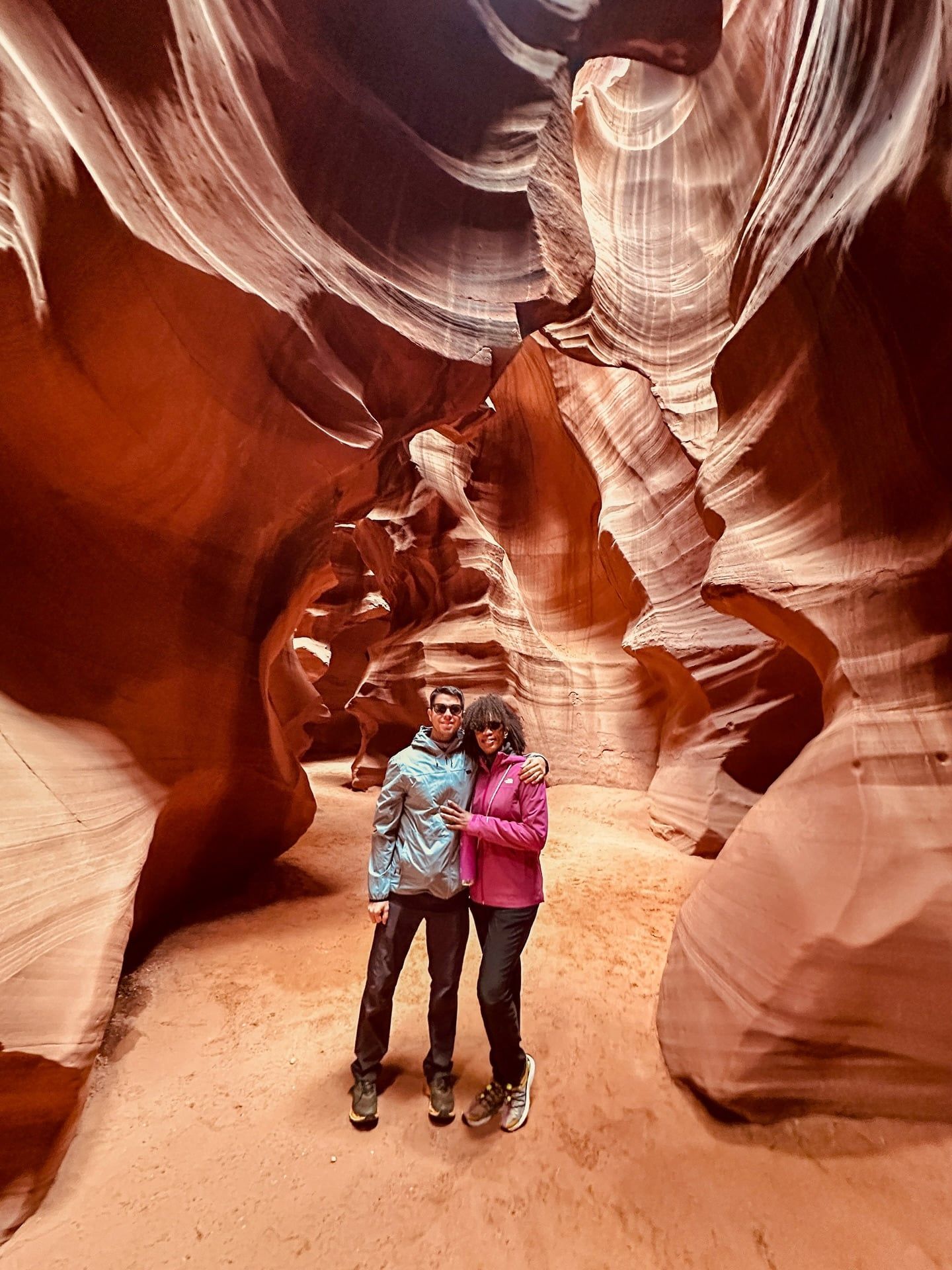
Visiting Antelope Canyon is an unforgettable journey into the heart of the Navajo Nation. You will walk alongside an expert Navajo guide through narrow, winding corridors sculpted by millions of years of flash floods, discovering world-famous sandstone waves and dramatic lighting.
Walk through the flat, sandy floor of 'The Crack' to witness spectacular shafts of sunlight beaming down through the narrow ceiling. These ethereal light beams are best viewed during midday peak tours between April and October.
Descend five flights of steep metal stairs directly into the heart of 'The Corkscrew'. This 1.1-mile round-trip hike offers a thrilling physical experience as you scramble around tight sandstone bends and climb up ladders.
Walking with an authorized Navajo guide provides deep insights into the spiritual significance of the canyon. Guides share traditional Diné creation stories and explain the meaning of Mother Earth and Father Sky.
Explore quieter alternatives like Canyon X or Secret Antelope Canyon. These sections feature soaring, dramatic walls and unique geological shapes with far fewer crowds, allowing for a more intimate experience.
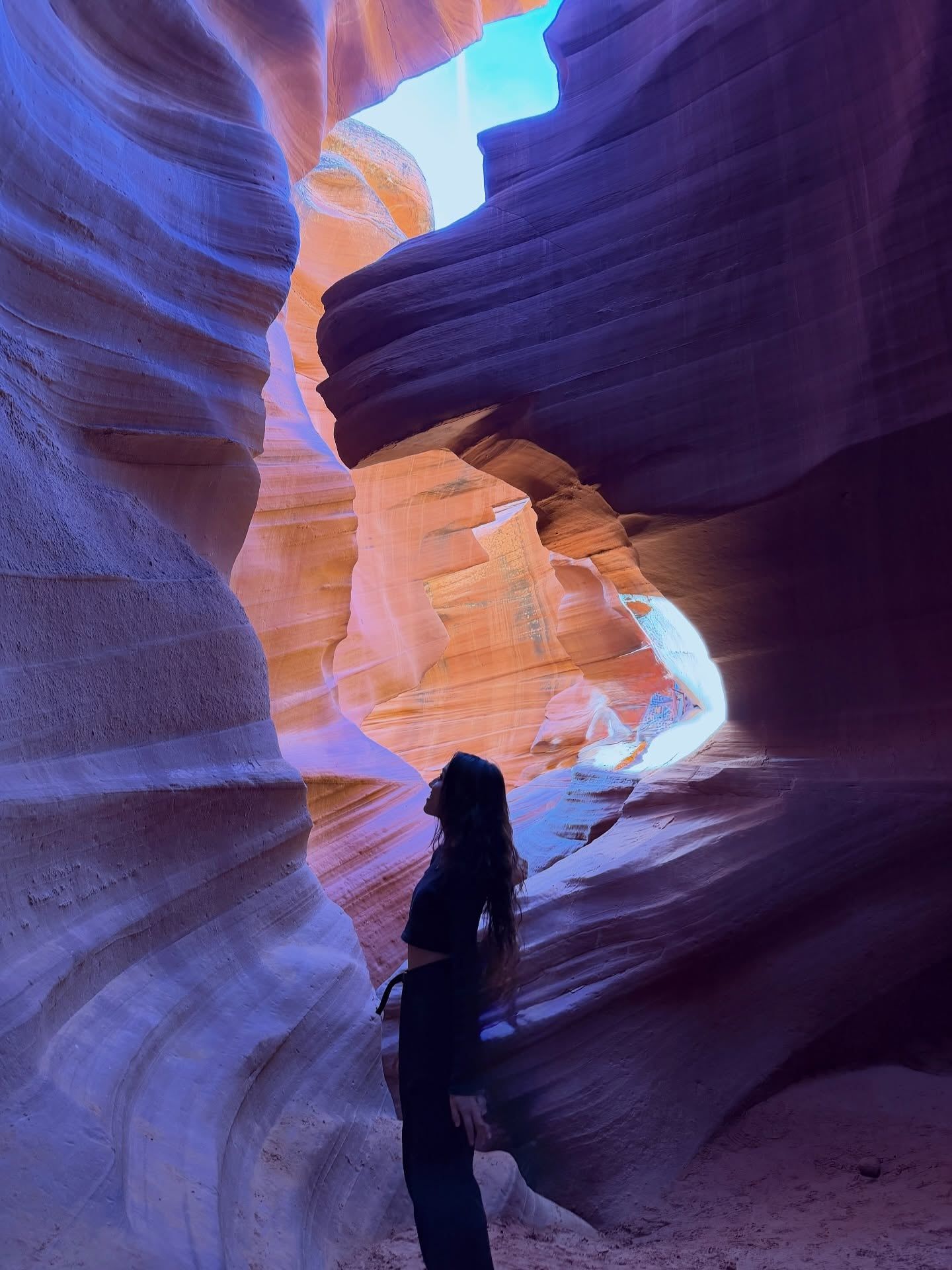
Run your hands along the smooth, wave-like sandstone walls that reveal beautiful layers of orange, gold, and violet. Your guide will even help you adjust your phone or camera settings to capture the perfect shot.
Planning your Antelope Canyon trip requires some advanced preparation due to strict Navajo Nation regulations, high demand, and the remote desert location.
Independent exploration of Antelope Canyon is strictly prohibited. All visitors must book a guided tour with an authorized Navajo-led operator, who will accompany you at all times.
Antelope Canyon is one of the most popular destinations in the Southwest, and tour slots sell out extremely quickly. Book your reservations online several months before your trip, especially for peak midday slots.
A $15 Navajo Parks & Recreation entrance fee is required per person, per location, per day. Depending on the tour you book, this fee may be included in the ticket price or collected separately at checkout or the gate.
Backpacks, purses, and large bags are strictly prohibited on standard sightseeing tours to prevent damage to the narrow canyon walls. Bring a clear water bottle, and leave your bags locked in your vehicle.
Tripods, monopods, selfie sticks, and drones are banned on standard tours to keep groups moving. You must book a specific photography tour if you want to use professional gear.
If you don't want to drive to Page yourself, many full-day bus tours depart from Las Vegas or Sedona. These 11 to 15-hour trips usually combine Antelope Canyon with nearby Horseshoe Bend and include lunch.
Neither Upper nor Lower Antelope Canyon is wheelchair accessible due to deep sand, rocky terrain, and stairs. Upper Antelope now requires climbing a 200-foot elevation change to exit, while Lower Antelope involves steep ladders.
Tours will be immediately canceled if there is any risk of flash flooding, particularly during the monsoon season from July to September. Most operators offer a full refund if they cancel due to weather.
| Lower Antelope Ticket | Upper Antelope Ticket | Las Vegas Day Trip | Sedona Combo Tour | |
|---|---|---|---|---|
| Duration | 1 to 1.5 hours | 1.5 hours | 14 to 15 hours | 11.5 hours |
| Best for | Adventurous walkers | Families & photographers | Vegas visitors without a car | Arizona road-trippers |
| Includes | Navajo guide, canyon entry | Navajo guide, 4x4 transport | Round-trip bus, lunch, Horseshoe Bend | Hotel pickup, Upper Antelope, Glen Canyon |
| Price from | $75 | $145 | $170 | $311 |
Antelope Canyon tours operate daily, year-round. Office hours for most tour operators in the area are typically 7:00 AM to 4:00 PM Arizona Time (MST non-daylight).
Tour departure times vary by operator, but generally run from 7:30 AM to 3:50 PM. Common departure slots include:
Always arrive 30 to 60 minutes before your scheduled departure time for check-in and safety briefings.
Antelope Canyon is located on Navajo Nation land near the city of Page in northern Arizona. Because there is no direct public transportation to the canyons, driving yourself or booking a commercial bus tour is highly recommended.
By Car: Page is about a 5-hour drive from major hubs like Las Vegas or Phoenix. The route is easily accessible by car, and ample free parking is available at all the tour operators' offices.
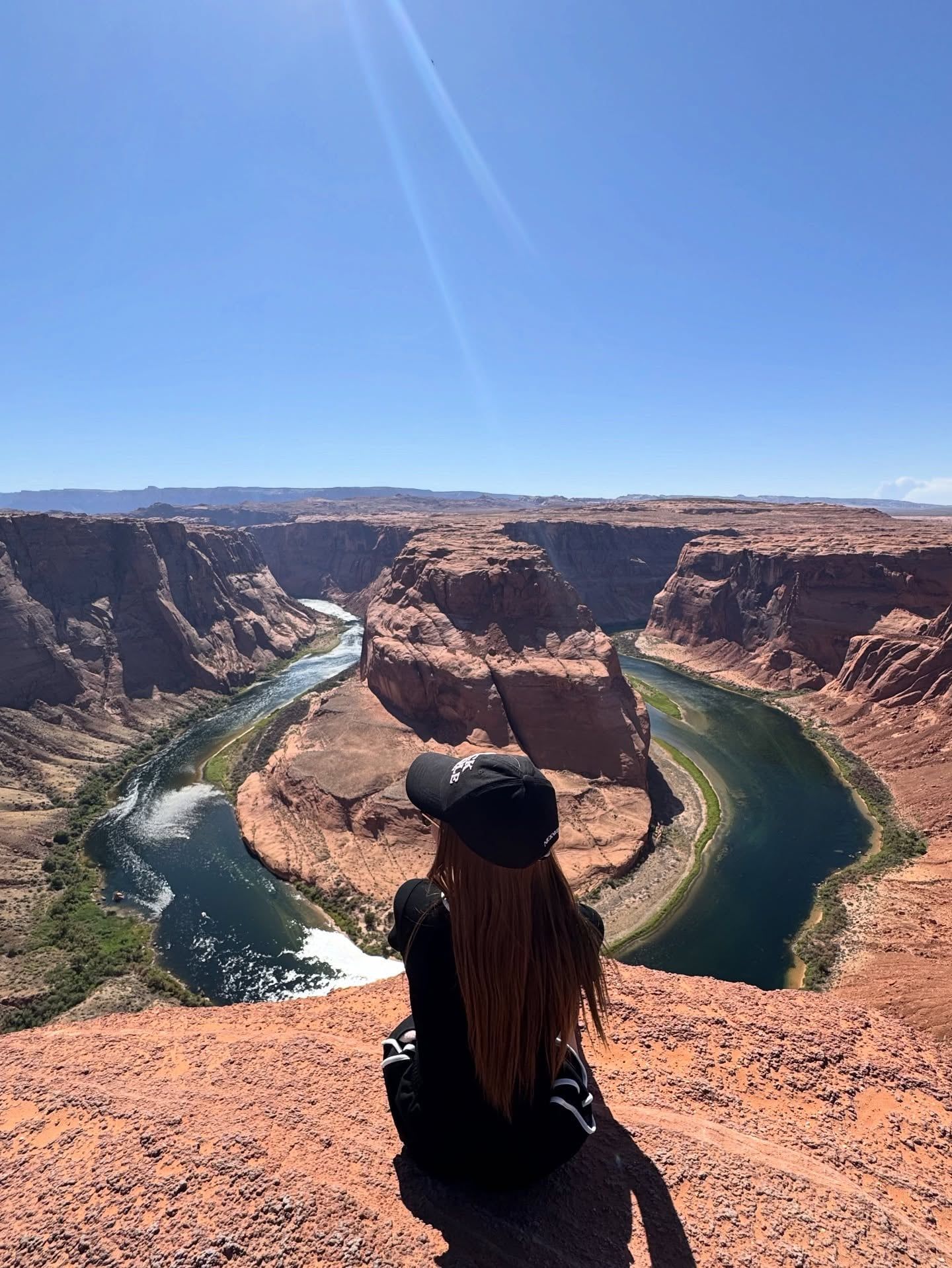
By Guided Day Tour: If you prefer not to drive, many operators offer full-day excursions departing from Las Vegas or Sedona. These tours handle all the driving and usually include hotel pickup, lunch, and a stop at nearby Horseshoe Bend.
The best months to visit Antelope Canyon are from April to October. During this window, you have the highest chance of seeing the canyon's iconic light beams.
Time of Day: To capture the light beams in Upper Antelope Canyon, book a midday tour between 11:00 AM and 1:00 PM when the sun is highest in the sky. These peak slots sell out the fastest and often cost slightly more.
Months to Avoid: The winter months (November to February) have a lower sun angle, meaning the famous light beams are rarely visible. Additionally, the monsoon season from July to September presents a high risk of flash floods, which can cause sudden tour cancellations.
Due to the natural terrain, neither Upper nor Lower Antelope Canyon is wheelchair or stroller accessible.
Upper Antelope Canyon: While it features a flat, sandy floor inside the canyon, recent route changes require visitors to climb a 200-foot elevation change with a 20-degree incline and stairs to exit. It is generally the better choice for families with young children or seniors with minor mobility limitations.
Lower Antelope Canyon: This section requires descending five flights of steep metal stairs and navigating narrow, V-shaped corridors with uneven, rocky terrain. It is highly discouraged for the elderly, pregnant travelers, or anyone with cardiovascular or spinal issues.
Antelope Canyon is a protected natural site, meaning facilities are extremely limited once you leave the tour operator's check-in area.
Because Antelope Canyon is a sacred site to the Navajo (Diné) people, strict rules are enforced to protect the environment and respect the culture.
No, independent exploration of Antelope Canyon is strictly prohibited because it is located on sacred Navajo Nation land. All visitors must book a guided tour with an authorized Navajo-led operator.
Upper Antelope Canyon is an above-ground, A-shaped canyon with a flat sandy floor, famous for its midday light beams. Lower Antelope Canyon is a below-ground, V-shaped canyon that requires climbing down five flights of steep metal stairs and navigating tighter spaces.
The Navajo Parks & Recreation entrance fee is $15 per person, per location, per day for visitors ages 8 and older. Depending on your booking, this may be included in your tour price or collected separately.
No, backpacks, purses, and large bags are strictly prohibited on standard sightseeing tours to prevent accidental damage to the narrow sandstone walls. You are only allowed to bring a clear water bottle.
No, tripods, monopods, and selfie sticks are banned on all standard sightseeing tours to keep the groups moving smoothly. If you want to use professional gear, you must book a specialized photography tour.
The iconic light beams in Upper Antelope Canyon are best viewed between April and October. You should book a midday tour slot between 11:00 AM and 1:00 PM when the sun is highest in the sky.
Tours will be immediately canceled if there is any risk of flash flooding in the area, which is most common during the monsoon season from July to September. Operators closely monitor weather conditions for safety.
Yes, children are allowed, but Upper Antelope Canyon is generally recommended for families due to its flatter paths. Note that parents must bring their own car seats for the 4x4 transport trucks, and strollers are not allowed.
A standard guided tour of a single canyon section typically takes between 60 and 90 minutes. If you are doing a full-day trip from Las Vegas, expect the entire excursion to take 14 to 15 hours.
You are required to wear sturdy, closed-toe shoes suitable for walking in deep sand and climbing metal stairs. Layered clothing is recommended as the canyon can be cool in the shade, along with a hat and sunglasses to protect against blowing sand.
Browse verified tours with free cancellation and instant confirmation.
Find Tours